
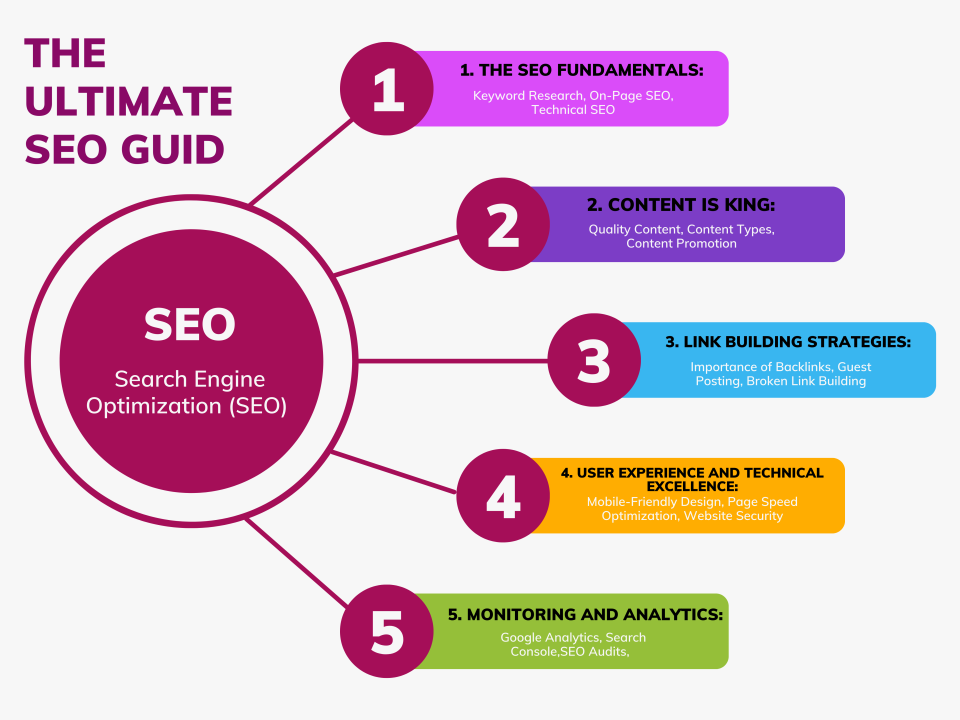
In the ever-evolving world of digital marketing, Search Engine Optimization (SEO) remains one of the most important strategies for driving organic traffic to your website. With Google constantly updating its algorithms, staying on top of the latest SEO best practices is essential to rank higher on search engines, reach your target audience, and grow your business.
These practices are what make Sahihi Media a company with Best SEO Optimization in Kenya.
Here’s a detailed guide to the best SEO practices in 2024 to help you optimize your website effectively.

1. Focus on High-Quality, Relevant Content
Content is still king in 2024, and creating high-quality, valuable, and relevant content is the foundation of good SEO. Search engines like Google prioritize content that satisfies user intent—content that answers users’ questions and provides value.
Best Practices we offer for Best SEO Optimization in Kenya:
- Create comprehensive and in-depth articles that cover topics thoroughly.
- Ensure content is relevant to your audience and aligned with your target keywords.
- Regularly update your content to keep it fresh and accurate.
- Use multimedia like images, videos, and infographics to make your content engaging and informative.
2. Keyword Research and Optimization
While keywords are not the only factor influencing SEO, they still play a crucial role. Proper keyword research helps you understand what your audience is searching for, allowing you to optimize your content for those terms.
Best Practices:
- Use tools like Google Keyword Planner, Ahrefs, or SEMrush to find high-volume, low-competition keywords.
- Focus on long-tail keywords as they often have less competition and target specific queries.
- Integrate keywords naturally within your content, including titles, meta descriptions, headings (H1, H2, etc.), and alt text for images.
- Avoid keyword stuffing—use keywords contextually and avoid over-optimization.
3. Mobile-First Optimization
With the majority of global web traffic now coming from mobile devices, ensuring your website is optimized for mobile is critical. In 2024, Google’s mobile-first indexing means that the mobile version of your site is the primary version considered for ranking.
Best Practices:
- Use responsive design to ensure your website adapts to different screen sizes and devices.
- Prioritize fast loading speeds—mobile users expect websites to load quickly.
- Avoid large pop-ups that disrupt the mobile experience.
4. Improve Page Speed and Core Web Vitals
Page speed has a direct impact on user experience and is a crucial ranking factor. Google’s Core Web Vitals also focus on user experience by measuring aspects like page loading performance, interactivity, and visual stability.
Best Practices:
- Compress images and files to reduce load times.
- Use a content delivery network (CDN) to improve server response times.
- Optimize JavaScript and CSS for better loading speed.
- Regularly check your Core Web Vitals scores and make improvements.
5. Optimize for Featured Snippets and Voice Search
Featured snippets are highly visible answers that appear at the top of Google’s search results, while voice search is rapidly growing, thanks to AI assistants like Siri, Google Assistant, and Alexa.
Best Practices:
- Structure your content using questions and answers to target voice queries.
- Use structured data (schema markup) to help Google understand your content.
- Aim for concise, easily digestible answers to common questions that can be featured in snippets.
- Create FAQ sections that address common search queries directly.
6. On-Page SEO Optimization
On-page SEO refers to optimizing individual web pages to rank higher and earn more relevant traffic. From meta tags to internal linking, on-page optimization is essential for effective SEO.
Best Practices:
- Optimize your title tags with primary keywords, ensuring they are concise and compelling.
- Write meta descriptions that encourage click-throughs and include relevant keywords.
- Use header tags (H1, H2, H3) to structure your content and improve readability.
- Add internal links to guide visitors through your website and pass link equity between pages.
7. Backlinks and Link Building
Backlinks from authoritative websites signal to search engines that your site is trustworthy and credible. In 2024, building high-quality, relevant backlinks remains one of the most important off-page SEO optimization in Kenya tactics.
Best Practices:
- Focus on earning backlinks from reputable websites in your industry.
- Use strategies like guest blogging, creating shareable content (like infographics), and building relationships with influencers in your niche.
- Regularly monitor your backlink profile using tools like Ahrefs or Moz to identify and remove harmful or spammy backlinks.
8. Local SEO Optimization
If your business serves a local market, local SEO is critical. With more consumers searching for local businesses online, optimizing for local search queries can significantly improve your visibility and traffic.
Best Practices:
- Create and optimize your Google Business Profile (formerly Google My Business) with accurate business information, high-quality images, and reviews.
- Ensure your NAP (Name, Address, Phone Number) is consistent across all online platforms.
- Include location-specific keywords in your content and meta tags.
- Focus on generating positive reviews from satisfied customers, as reviews play a major role in local rankings.
9. Improve User Experience (UX) and Engagement Metrics
User experience is at the heart of Google’s ranking algorithms. A positive user experience keeps visitors on your site longer, reduces bounce rates, and increases engagement.
Best Practices:
- Ensure your site is easy to navigate with clear menu structures and breadcrumb trails.
- Provide internal links to relevant content that encourages visitors to explore your website further.
- Make your website accessible, ensuring it meets ADA guidelines and works for all users, including those with disabilities.
- Use tools like Google Analytics to track engagement metrics like bounce rate, time on site, and pages per session, and make improvements where needed.
10. Secure Your Website with HTTPS
Security is a top priority for both users and search engines. Google gives preference to websites with HTTPS encryption, signaling that your site is secure and trustworthy.
Best Practices:
- Install an SSL certificate to encrypt data transmitted between your site and its users.
- Regularly update your site’s security features and plugins to protect against vulnerabilities.
- Ensure your users feel safe by displaying trust badges and seals on key pages, especially for e-commerce websites.
11. Regularly Audit and Update Your SEO Strategy
SEO is not a one-time effort but an ongoing process. Search engine algorithms constantly change, and so should your strategy. Regular SEO audits help you stay on top of these changes and keep your website optimized.
Best Practices:
- Use tools like Screaming Frog and Google Search Console to regularly audit your site for SEO issues such as broken links, duplicate content, or crawl errors.
- Monitor your website’s rankings and traffic to assess the effectiveness of your SEO efforts.
- Stay updated with Google’s algorithm changes and adapt your SEO strategy accordingly.
Conclusion
By following these best SEO Optimization in Kenya practices in 2024, you can optimize your website for better rankings, improved user experience, and increased organic traffic. SEO optimization is a dynamic field, but focusing on quality content, technical optimization, mobile-friendliness, and staying current with industry trends will ensure your website stays ahead in the competitive search landscape.
SEO success requires consistency, attention to detail, and a willingness to adapt to change, but the rewards—greater visibility, traffic, and business growth—are well worth the effort.