With 86% of Kenyans using social media regularly, the country’s digital marketing advantage is rooted in an audience that is active, connected and responsive to culturally relevant communication. A strong digital marketing strategy in Kenya pairs that storytelling with data, helping brands shape campaigns around audience behaviour rather than guesswork. Mobile money penetration above 80% also creates a natural connection between digital discovery and convenient ways to buy.
It makes sense to see social platforms and compelling stories as powerful growth tools, but attention alone doesn’t show whether a campaign is working. This article explores why Kenya is ahead in digital marketing, how businesses can bring cultural insight and data-driven precision together, and which measures help assess campaign performance. It also sets out when a do-it-yourself approach can work and when an agency can help bring strategy, creative execution and measurement into closer alignment.
Key Takeaways
- Use employee and influencer perspectives to make brand communication feel credible and connected to local audiences.
- Shape stories around Kenyan culture and audience needs, then keep the message consistent across channels.
- Use audience data to refine who you reach, what you say and where you invest campaign effort.
- Measure performance against business goals, not just likes or views, and use the findings to improve the next campaign.
- Choose DIY when your team has the time and skills to plan, create and assess campaigns; consider agency support when you need joined-up strategic and creative execution.
Table of Contents
Why Is Kenya Ahead in Digital Marketing?
Kenya’s digital advantage comes from connected audiences, mobile-first habits and brands that make communication feel local. More than 23 million internet users and 86% of Kenyans regularly using social media create substantial reach. Mobile money penetration above 80% also links digital discovery with a familiar route to purchase.
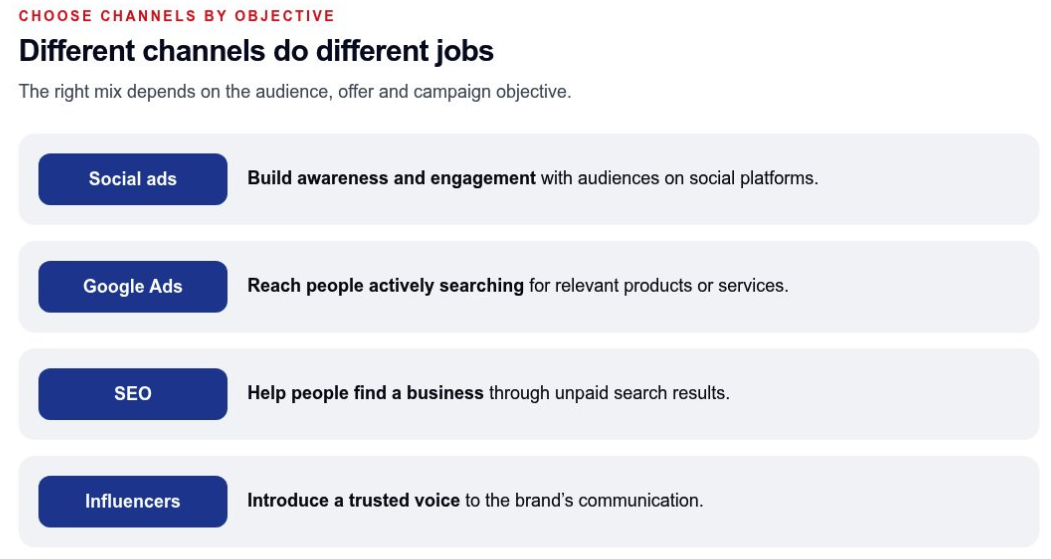
Social media, search and influencer partnerships serve different goals. Social ads can build awareness and engagement; Google Ads can reach people actively searching; SEO can help people find a business through unpaid search results. Influencer marketing can introduce a trusted voice. The right mix depends on the audience, offer and campaign objective.
Platform choice should reflect audience behaviour, not fashion. TikTok marketing is essential for brands targeting audiences under 35 in Kenya. Use platform-specific content, then assess meaningful responses such as enquiries, purchases or qualified visits rather than treating views as the final measure.
Kenyan brands show how people and useful content can carry a message. Tusker has used employee-generated content in which staff share brand stories, giving audiences a human perspective. Businesses can apply the principle by inviting team members to share relevant expertise or experiences, then shaping those stories into consistent, clearly branded content.
Bata Kenya has used social media ads that lead to WhatsApp-assisted purchases, connecting discovery with a direct conversation. For content marketing, create material that answers a real customer question, such as product guidance or a practical comparison, and give each piece a clear next step.

Data can strengthen creative work by showing which messages resonate. A digital marketing strategy in Kenya can use audience responses to refine content, channel choices and campaign focus. Track the journey from first interaction to enquiry or purchase, then use what you learn to improve the next campaign.
Build digital advertising around truthful claims, transparent paid partnerships and responsible handling of customer information. Use data for purposes customers can understand, and keep the communication clear from the advert through to the landing experience.
Mobile money can make the purchase step familiar and convenient. Design a clear route from an advert or social post to a payment conversation or checkout, then measure where customers proceed or drop off. Kenya adopted M-Pesa nationally before any other country, making mobile money a distinctive part of its digital context.
Common mistakes include choosing platforms without a defined goal, using generic stories that overlook local context, and measuring attention without tracking business outcomes. A mismatch between the campaign promise and the purchase experience can also undermine results. Align the message, destination and follow-up, then review performance before repeating the campaign.
Culturally resonant storytelling
A story feels relevant when people recognise its setting, language and stakes. For a Kenyan audience, go beyond decorative references and show a real customer need. A retailer serving customers across Kenya, for example, might explain how someone finds a useful product during a busy workday. Details should clarify the brand’s value, not simply signal a location.
Start with the audience, then choose the story’s point of view. A family-owned business could share how its founder learned to serve customers, while a professional firm might explain how it solves a familiar client challenge. Choose Kiswahili, English or another language to suit the intended audience and context. Keep the meaning consistent when adapting the message.
Local references work best when they support a clear narrative. A food business could describe the ingredients and preparation behind a familiar meal, then connect those details to its offer. A tourism brand could focus on a host’s perspective rather than relying on broad destination imagery. Specific people, choices and moments make each story more memorable.
A practical storytelling sequence helps keep content focused:
- Set the scene: Name the customer situation, such as choosing a service while comparing options on a phone.
- Show the tension: Explain the need or decision the customer faces.
- Demonstrate the response: Show how the business acts, using a real example or an accurate demonstration.
- Close with meaning: State what the audience can do next, such as learn more or start a conversation.
Employee perspectives add human detail when they reflect genuine experience. A team member might explain how a product is prepared, how a service works, or what customers commonly ask. Get permission before publishing personal stories, and edit for clarity without changing the speaker’s meaning. This gives audiences a specific view of the people behind the brand.
Consistency matters across formats. If an Instagram post introduces a customer problem, a website article can explain the solution in greater depth, while a short video can demonstrate a useful step. Keep the central message, terminology and visual cues aligned so a compelling story feels connected to the wider brand experience.
Review each story against three practical questions: Does it reflect a real audience need? Does it represent the business accurately? Does the next step make sense? A coherent visual system can reinforce those answers, and graphic design for brand storytelling can help present the message with clarity across campaign materials.
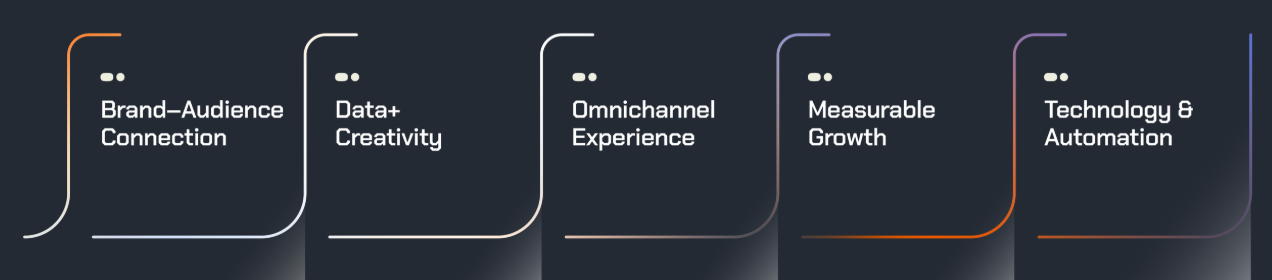
That coherence matters because Kenyan digital marketing strategies align around data-driven precision marketing and culturally resonant, storytelling-based engagement. Treat each story as part of that wider approach, with its audience, message and next step fitting the brand’s broader digital strategy. Consistency between storytelling and a brand’s broader digital strategy is a challenge for brands, so review each narrative alongside the rest of the strategy rather than as a standalone creative choice.
Data-driven precision marketing
Kenyan marketing can combine data-led targeting with culturally grounded storytelling. Data helps identify audience patterns, while local insight keeps campaigns relevant. A retailer serving customers across Kenya could use responses to refine an offer, then express it through language and examples familiar to its intended audience. Precision without context can feel impersonal; storytelling without measurement can miss the mark.
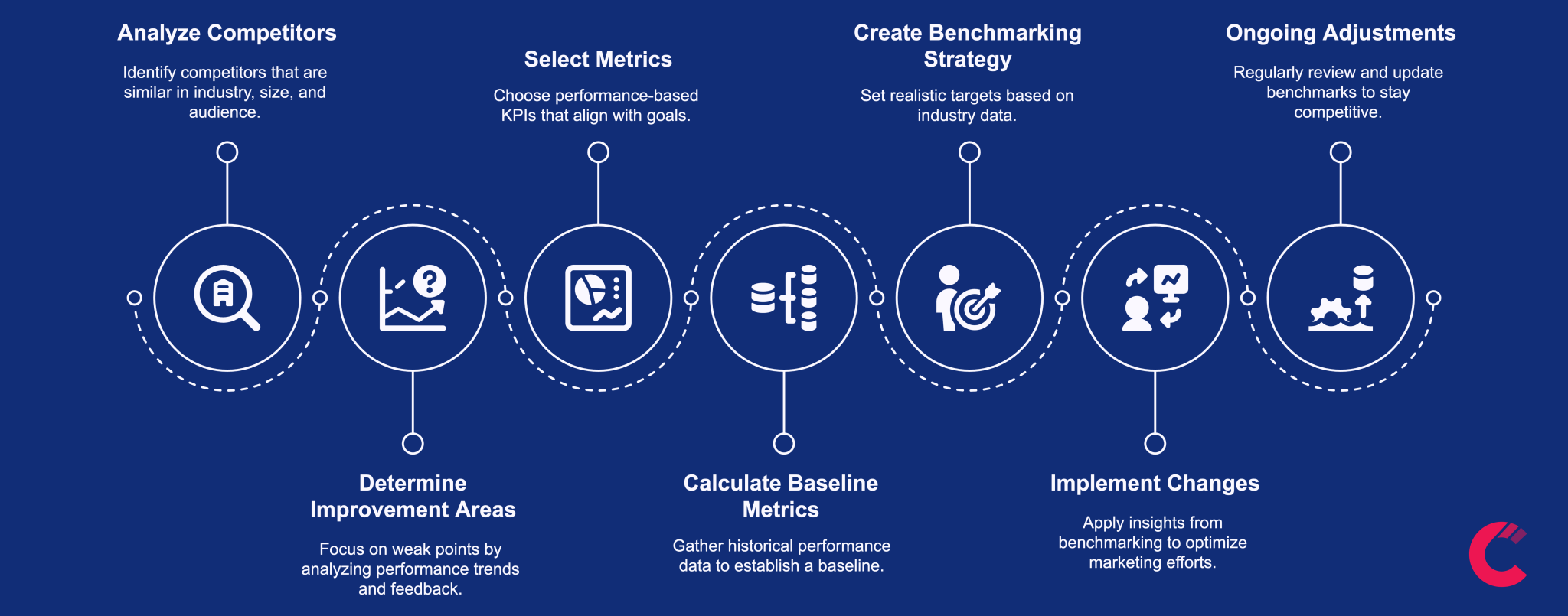
Begin with a decision, not a dashboard. Define whether the campaign should generate enquiries, purchases, repeat visits or brand discovery, then choose indicators that reflect that goal. For a WhatsApp-assisted campaign, track how many people start a conversation and how many move towards purchase. For an educational article, examine whether readers reach the next useful page or take its intended action.
Audience data is most useful when it guides a specific change. If a creative message attracts attention but produces few enquiries, review its promise, audience and destination. If a customer group responds to product guidance, develop related content for that group. Compare like with like: keep the objective clear and, where practical, change one major element at a time.
Remarketing can reconnect with people who have already seen a campaign. Users are 76% more likely to click a remarketing ad they have seen before than a regular display ad. The implication is to make follow-up communication distinct and relevant, rather than repeatedly showing the same message. A retailer might move from an introductory product advert to useful details for interested visitors.
Email also benefits from a focused measurement approach. The stated estimate is that email marketing can generate a 3800% return on investment. Treat that figure as a reason to assess email’s role, not as a forecast for every business. A Kenyan organisation can compare campaign engagement and resulting enquiries with its own objectives, audience and execution.
Automation can reduce repetitive work, but it doesn’t replace strategic judgment. Existing technology can automate 45% of marketing activities performed by humans. Use automation for repeatable tasks, such as organising audience groups or scheduling routine communications. Keep human review on message accuracy, cultural fit and customer responses, especially before publishing campaign content.
Close each learning cycle with a practical review: identify the strongest audience response, the weakest campaign step and the next adjustment. If a local campaign attracts clicks but few enquiries, inspect the landing page and offer before increasing distribution. If a product page receives visits but few purchases, review its clarity and buying journey. This makes data a tool for better decisions, while culturally resonant storytelling gives those decisions a meaningful voice.
Measuring results and choosing between DIY and an agency
Choose measures that reflect business outcomes, not just campaign activity. A Kenyan retailer seeking online orders should track completed purchases, while a professional firm may prioritise qualified enquiries. Reach, clicks and video views show exposure, but not whether the campaign produced its intended result.
Set up a simple measurement path before publishing. Record the campaign objective, target audience, channel, destination and intended action. For example, a social ad might lead to a product page and then an enquiry form. If visitors click but do not enquire, inspect the page’s clarity and relevance before changing the ad.
Use a compact scorecard to make campaign reviews actionable:
- Awareness: Review reach and relevant engagement for a brand introduction.
- Consideration: Track visits to service pages, product details or useful articles.
- Conversion: Count purchases, bookings or qualified enquiries tied to the campaign.
- Retention: Monitor repeat purchases or returning customer activity.
Separate leading indicators from business outcomes. More clicks may signal stronger interest, while completed enquiries show progress towards a commercial goal. For a WhatsApp campaign, distinguish people who open a conversation from those who ask about a specific offer. This helps locate friction in the customer journey.
DIY can suit a business with a clear audience, a focused offer and time to create and review content. A local café, for example, may plan its own menu announcements and respond to customer comments. Keep the workflow manageable: assign campaign ownership, maintain a content calendar and note what each post is meant to achieve.
An agency can help when execution requires coordinated expertise or exceeds the team’s capacity. A growing Kenyan retailer might need campaign planning, audience insight and creative assets to work together. External support can bring those activities into one strategy, while the business contributes its knowledge of customers, products and priorities.
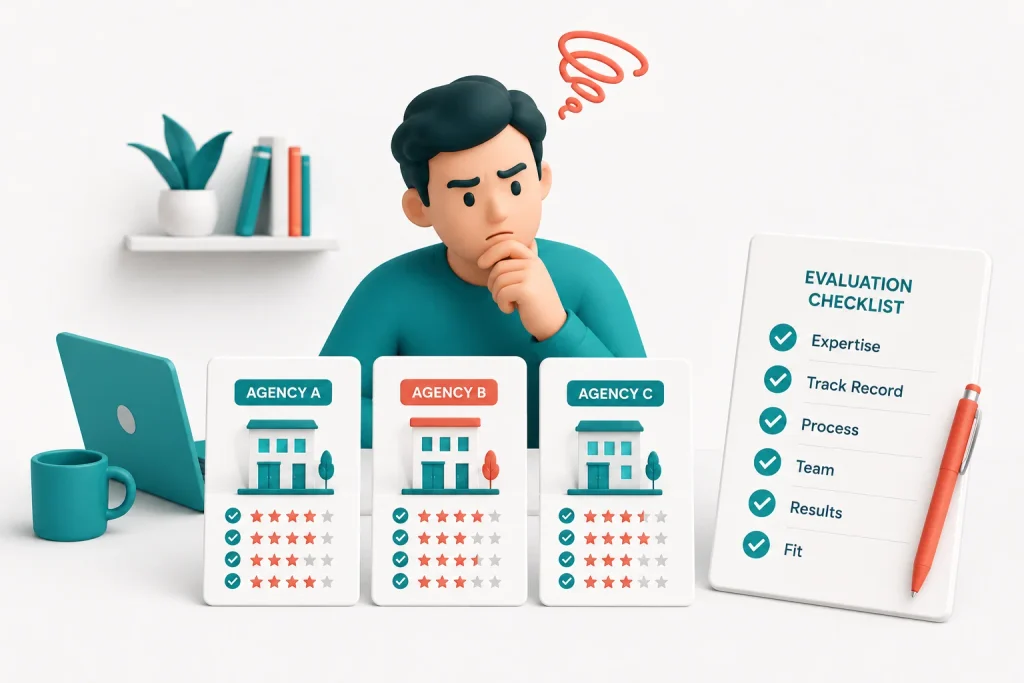
Compare the two approaches by assessing internal capacity, campaign complexity and the cost of delayed execution. DIY is not automatically less demanding if staff must learn unfamiliar tools or manage every task themselves. Agency collaboration also needs clear objectives, relevant business context and an agreed process for reviewing performance.
A hybrid model can preserve internal control while adding focused external input. The team might own customer communication and approvals, while an agency shapes campaign direction or creative work. Define responsibilities before launch, then use a shared scorecard to review the same outcomes. This keeps decisions grounded in evidence rather than channel preference.
After each campaign, identify one effective element, one point of friction and one next adjustment. If a product ad attracts visits but few purchases, examine the product page and checkout journey. If enquiries are strong but poorly matched, refine the audience or message. This review turns measurement into a practical decision about what to do next.
What are the key steps to create a digital marketing strategy in Kenya?
A useful plan connects business priorities with audience needs, chosen channels and measurable actions. For a Kenyan business, a digital marketing strategy in Kenya should account for mobile-first customer journeys, local context and the practical route from discovery to purchase. Work through these six steps before launching a campaign.
- Set one business objective. Decide whether the priority is online orders, qualified enquiries, repeat purchases or brand awareness. A local retailer seeking orders needs different campaign measures from a consultancy seeking leads.
- Define the audience. Describe the people you want to reach through their needs, location, interests and likely buying behaviour. For example, a service business might focus on customers comparing providers before requesting a consultation.
- Clarify the offer and message. State what the business provides, why it matters and what action people should take. A clear product description and a useful next step make a social post easier to understand.
- Choose channels by purpose. Use search content to answer active questions, social platforms to build engagement, and paid advertising to reach selected audiences. Select channels your team can maintain consistently.
- Map the customer journey. Trace each step from the first advert or search result to the enquiry or purchase. If an Instagram campaign leads to WhatsApp, make the hand-off clear and prepare a relevant response.
- Set measures and review points. Match each channel to an outcome, such as qualified enquiries from a service page. Record what you will review, who owns the task and how findings will guide the next campaign.
Align content with the Kenyan audience and the chosen channel. A product demonstration may suit a short social video, while a detailed comparison can answer search questions on a website. Keep the brand message consistent, but adapt the format and level of detail to each platform.
Plan execution around the people and resources available within the business. Assign responsibility for writing, approvals, publishing and responding to customer enquiries. A small team can start with a focused campaign and expand after reviewing the results, rather than spreading effort across channels it cannot sustain.
For a more structured plan, develop your digital marketing strategy around clear objectives, audience insight and measurable campaign activity.
The workforce outlook can also be considered when setting campaign capacity: Kenya is estimated to create 300+ new digital marketing positions monthly. Treat that figure as context for planning, not as a reason to add channels before the business is ready. Identify the capabilities a campaign requires, such as content production, campaign setup, performance review and customer follow-up, then compare them with the expertise available to the team.
If a capability is missing, decide whether to develop it internally or seek support before increasing activity. Keep the workflow manageable by agreeing how work will be reviewed, how findings will inform changes, and how customer responses will be handled. As the strategy develops, revisit the objective, audience and channel choices together so any expansion supports the intended business outcome. This ties resource decisions to the plan and gives the team a practical basis for adjusting its approach as it learns.
Sahihi Media: Digital Marketing
Sahihi Media can help when your team needs a clearer connection between audience insight, brand communication and campaign execution. Its digital marketing, market research, and communication and brand development services support businesses shaping campaigns around specific audiences and goals. Website design can also align a campaign’s destination with its message, making the next step clearer for visitors.
Turn to Sahihi Media when planning and delivery need a more coordinated approach, or when your existing activity needs stronger alignment with business priorities. Share your objectives and the audience you want to reach, then explore a suitable path forward. Contact Sahihi Media to discuss your digital marketing needs.
Turn Your Strategy Into Consistent Momentum
Make one deliberate choice next: identify the business priority your marketing must serve, then align ownership and resources around it. A digital marketing strategy in Kenya is more useful when it guides decisions beyond a single campaign, helping your team choose what to develop, refine or set aside.
For a more connected approach, Sahihi Media’s digital marketing, Communication & Brand Development and Market Research services can help clarify direction and align audience insight with brand communication. This support helps your team move from scattered activity towards work shaped by meaningful objectives.
Start a focused conversation about the direction you want your marketing to take. Contact Sahihi Media to discuss your strategy, and take the next step with clarity and confidence.
Frequently Asked Questions
How can a business target Kenyan customers by location, language, and audience segment?
Define the customer group, then tailor campaign settings and content to where people live, the language they use and what they need. For example, a nationwide delivery business can separate audiences by serviceable areas, while a local service can focus promotion within its actual reach. Create distinct messages for English- and Kiswahili-speaking customers where appropriate, and compare responses by audience group to refine targeting.
What metrics should businesses use to measure digital marketing results in Kenya?
Choose metrics that show whether marketing is prompting valuable customer actions. Track qualified enquiries, completed purchases, cost per lead, conversion rate and repeat customer activity, then compare results by channel and audience segment. If a campaign brings many enquiries but few suitable prospects, review lead quality as well as volume. Use consistent attribution rules to identify which interactions contributed to each enquiry or sale.
Which social media platforms are most popular with Kenyan consumers by age group?
TikTok is an essential platform for brands targeting audiences under 35 in Kenya.